Before we go quietA documentary in three parts
A three-part documentary series exploring the ways that communication is changing, and how that is shaping what it means to be human.
We are more connected than ever before, but is humanity any closer for it?
Selected updates from production will be published here as the series develops. The series explores three fundamental forms of human connection: how we speak, how we write, and how we gather.
The series
It has never been quicker, cheaper or easier to reach another person, but does it carry the same weight?
Before We Go Quiet is a three-part series that follows the evolution of human communication from body language and simple utterings to ordinary spoken exchange and physical, posted letters. We then follow the transition through to digital messaging and the development of social platforms, group chats and the media age that we currently exist in: interaction increasingly dominated by technology.
The series is an attempt to account for what was gained through this communication change, what was quietly put down in exchange, and what was preserved. Then we ask what that exchange means for people who have never known another way of doing things.
Some of the communication record is held and maintained in the language of humans itself. We explore the words and systems that have been gained and lost to time, and those that have persisted as humanity has evolved significantly.
Before We Go Quiet is built around the three forms of contact that structured most of ordinary life before any of this changed:
Part one
Why We Talk Less
The changing role of spoken interaction in everyday life.
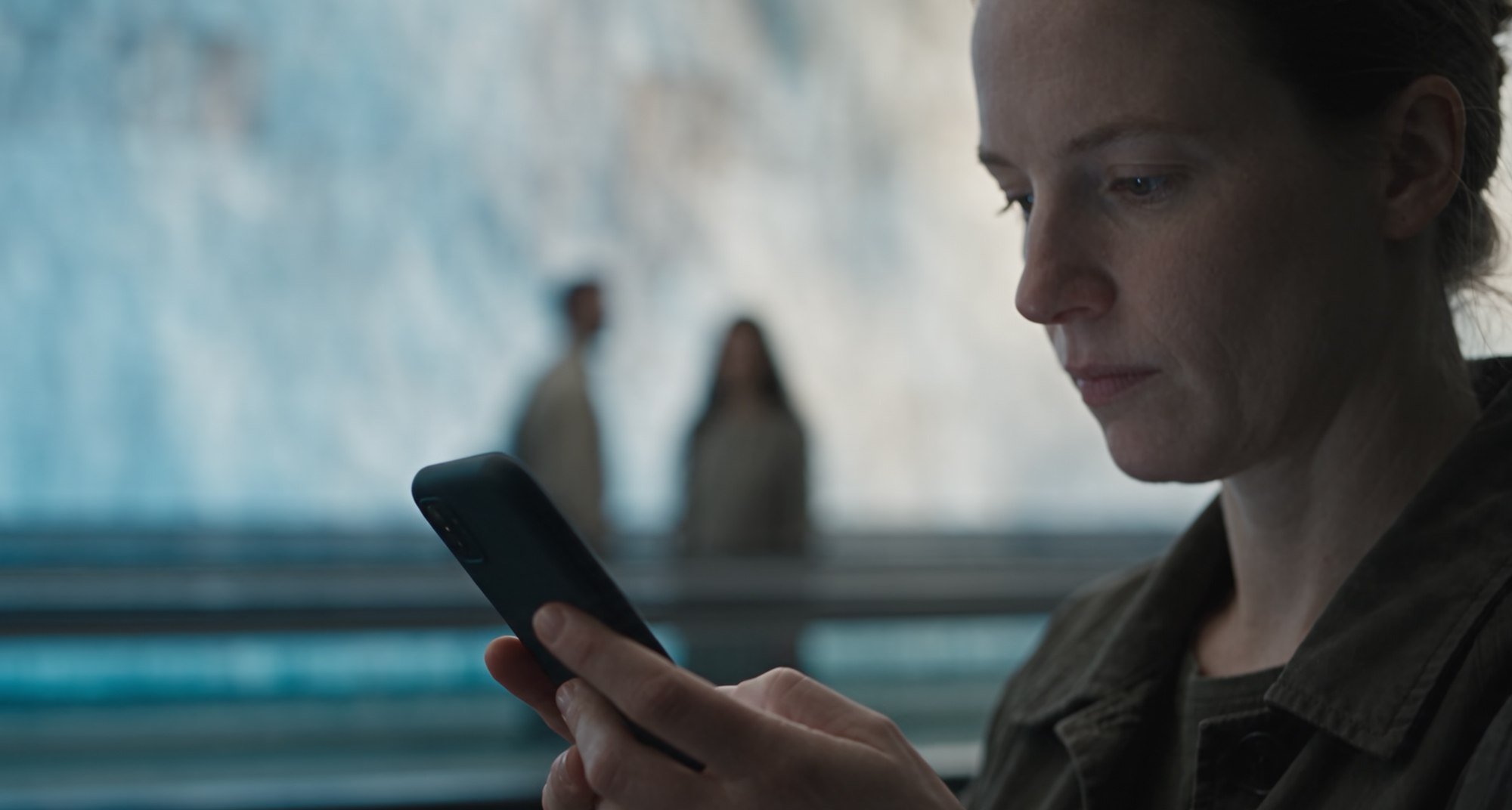
It is now possible to move through an entire day without speaking aloud to another person. Headphones go in at the platform, the order goes into a screen, the shopping goes through a self-checkout, the coffee waits under a name that was typed rather than said and the car arrives without a word exchanged about where it is going.
Why We Talk Less looks at what has happened to spoken interaction in ordinary life, and at a behaviour that appears everywhere once you begin looking for it. Given the choice, a great many of us will queue longer for the machine than for the person standing beside it, just to avoid social interaction with strangers.
What has this done to how we feel about humanity, and how has it shaped the way we communicate with one another?
Part two
When Did Words Lose Their Weight?
How written communication has evolved from the physical to the digital.
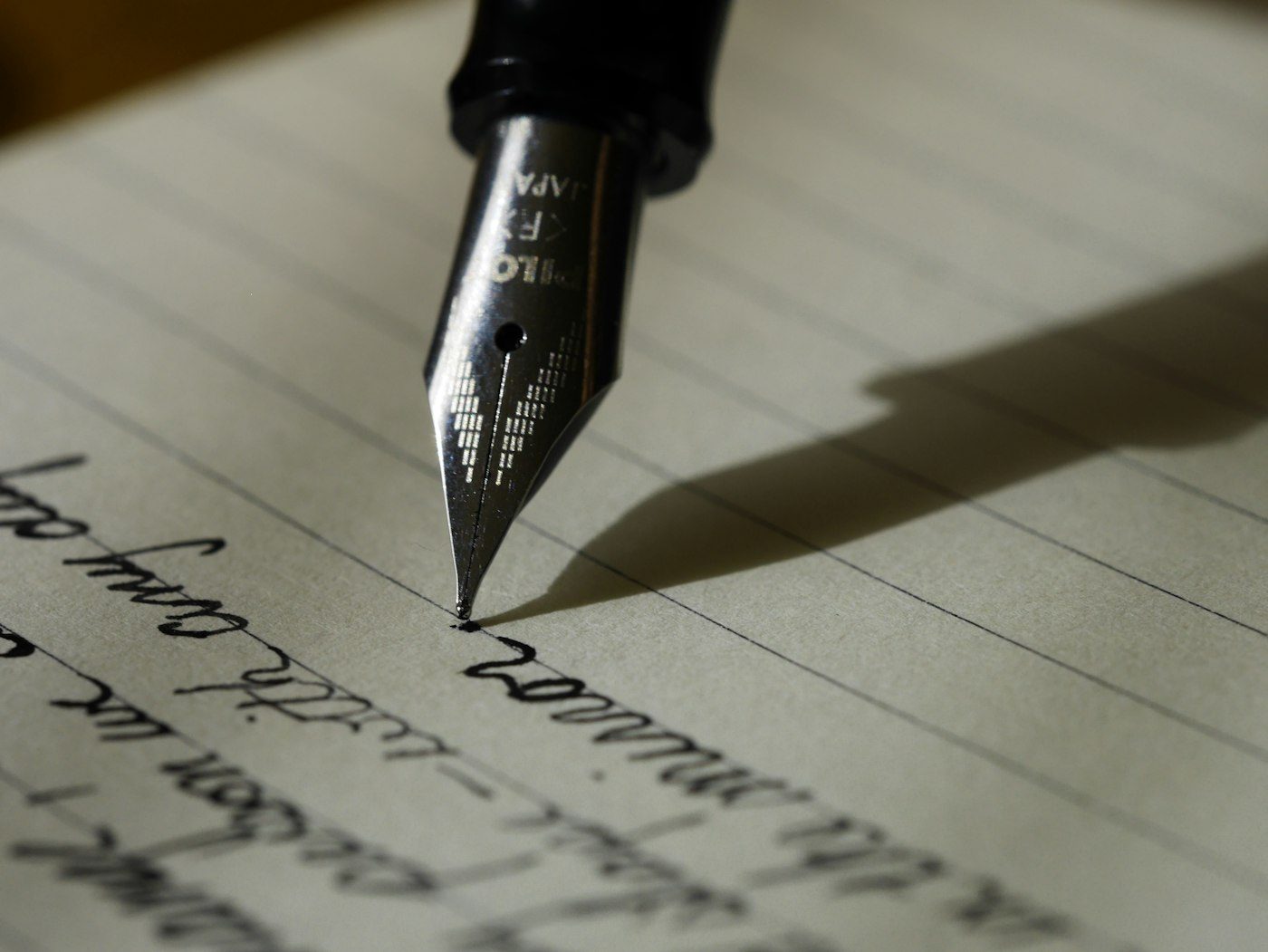
A letter was an object. It had weight and a route, it cost something to send and it could be kept in a drawer for forty years by someone who had attached significant sentimental value to it.
When Did Words Lose Their Weight? follows written communication from the posted letter and the telegram and how it has since evolved into e-post; email chains, texting and messages that often arrive before the thought has fully finished forming. Modern communication is interested less in how we write than in what a letter has become: a quick and convenient information exchange.
This episode explores how the concept of a letter has drastically changed, from a physical and meaningful object travelling between people and places, into pure information that can arrive in an instant.
How has this changed the quality of our communication?
Part three
From Gathering to Following
How social connection has shifted from primarily physical gatherings to an online world.
The parish hall and dances with strangers, social clubs, pubs and community gatherings once made up much of the physical infrastructure of a social life. Attendance was the point – either you showed up, mind, body and spirit, or you weren't there at all.
From Gathering to Following looks at what replaced the physical rooms where it happened. Friendships now hold together across group chats, communities form amongst people who will never occupy the same space and the social experience itself is increasingly documented for an audience that sits halfway across the world.
What have these methods of interaction done to the shape and quality of our connections?

Engage with the project
We are meeting people whose work sits close to this material, both to guide the research and, where it fits, to speak in the series itself.
We would particularly like to hear from:
- Historians of the post, telecommunications, retail and everyday social life
- Linguists and sociolinguists working on spoken and written registers
- Sociologists working on loneliness, association, civic participation and local membership
- People who ran or worked in dance halls, social clubs, telephone exchanges or sorting offices
- Archives holding correspondence, oral history recordings, amateur film or civic records
- Families who have kept letters and cannot quite account for why
- Designers and engineers who built self-service systems, messaging products, voice interfaces or ordering screens
If your work sits somewhere near this and we have not yet been in touch, write to us here.